BLOGS AND Stories

BLOGS
A collection of our own articles and other blogs of interest in the BETTER WORKPLACE theme.

Delivering positive change with HEART
Blogs and StoriesChange management invariably comes up as one of those key areas for improvement in staff surveys, doesn't it? And now that "poor change management" is one of the prescribed psychosocial hazards, that further shines a light on it, especially given that...
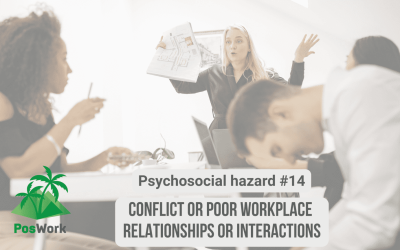
Psychosocial hazard #14 – Conflict or Poor Workplace Relationships or Interactions
This last one is a bit of a catch-all for risks associated with poor workplace behaviours or incidents that might technically fall into the category of bullying or harassment. There can be a number of underlying factors and commonly other psychosocial hazards are in play.
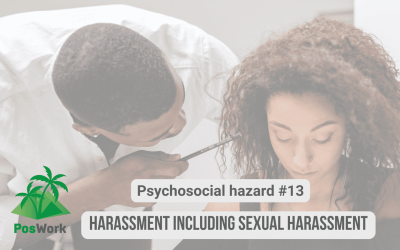
Psychosocial hazard #13 – Harassment including sexual harassment
There are lots of personal characteristics like age and gender and sexual orientation and ethnicity and union membership or political affiliation or religion or pregnancy or marital status and so many more which are protected attributes. That means that it is illegal to discriminate against or harass someone on the basis that they possess that particular attribute. As we know, sexual harassment is a significant issue in workplaces and there is now a positive duty to prevent it. How are you doing with that? Here are some questions to ask.
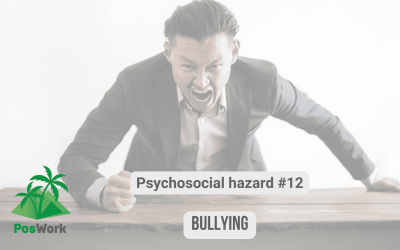
Psychosocial hazard #12 – Bullying
Bullying is repeated unreasonable conduct that causes a risk of psychosocial injury to a worker or a group of workers. It can be caused by and affect any workplace participant – employees, contractors, managers, customers, suppliers, unions and others. Most organisations now have anti-bullying policies but do they work? Here are some questions to ask.
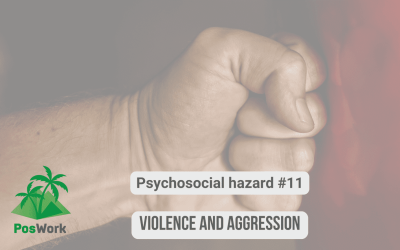
Psychosocial hazard #11 – Violence and Aggression
Whether the violence or aggressive behaviour comes from colleagues or clients or suppliers or the general public is immaterial – the point is that it can have serious consequences to workers who are exposed to it. What can you do to identify problems and put in place control measures? Here are some questions to ask.
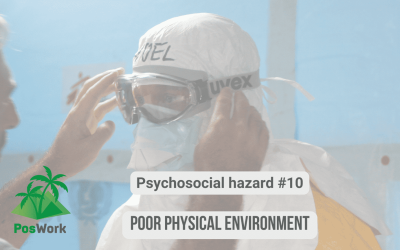
Psychosocial hazard #10 – Poor Physical Environment
Do people have to wear protective clothing or equipment? Or do they have to work in crowded, noisy or inclement weather conditions? Are there hazardous chemicals? Is the physical workplace fit for purpose and safe? There are lots of ways that people can experience a poor physical working environment.
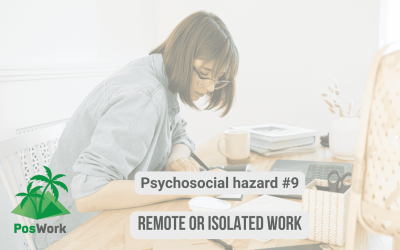
Psychosocial hazard #9 – Remote or Isolated Work
Whether it is working away from home for extended periods or working at home on your own or working solo out in the field like a truck driver, there are lots of different ways that people can be affected by having to perform remote or isolated work.

Psychosocial hazard #8 – Traumatic Events or Materials
Should be no surprises here that when people are exposed to traumatic events or materials that they can also experience risks of psychosocial injury or illness. What you might not recognise as much is that this is a hazard which can impact incrementally over time – for example with people who deal with people in difficult circumstances or people behaving badly day in day out
Psychosocial hazard #7 – Poor Organisational Justice
Ever heard someone say “that’s not fair”. Whether it is because there is a perception that a policy or a rule is not fair or because people are treated differently or some other cause, when things are not done in an organisationally just way, people get upset and that presents risks.

Psychosocial hazard #6 – Inadequate Reward and Recognition
This isn’t just about pay – it involves a lot more than that. Are people treated respectfully? Do they get recognition for the contributions that they make? Are their skills and abilities appreciated? Are their persona/circumstances recognised? Is the workplace diverse, equitable and inclusive? Just some of the questions to think about here.
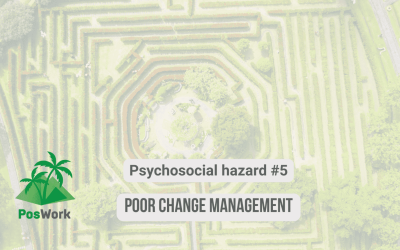
Psychosocial hazard #5 – Poor Change Management
Change management very commonly comes up in staff surveys as one of the key areas for improvement – whether it be that people don’t understand the reason for change or they do not feel that they have been properly consulted or that they feel unfairly affected by change or for a number of other reasons. This is one of the most prevalent psychosocial hazards in play at work.
Psychosocial hazard #4 – Lack of Role Clarity
People might not be clear about their roles or the reporting arrangements of how processes are supposed to work or who is responsible for what or what their priorities are or a number of other matters that can cause lack of role clarity.
VIDEOS
Our videos are a mix of explainers on various elements of making BETTER WORKPLACES and stories on good practices that we have come across or been involved in.
Psychosocial hazard #8 – Traumatic Events or Materials
Should be no surprises here that when people are exposed to traumatic events or materials that they can also experience risks of psychosocial injury or illness. What you might not recognise as much is that this is a hazard which can impact incrementally over time – for example with people who deal with people in difficult circumstances or people behaving badly day in day out
Psychosocial hazard #7 – Poor Organisational Justice
Ever heard someone say “that’s not fair”. Whether it is because there is a perception that a policy or a rule is not fair or because people are treated differently or some other cause, when things are not done in an organisationally just way, people get upset and that presents risks.
Psychosocial hazard #6 – Inadequate Reward and Recognition
This isn’t just about pay – it involves a lot more than that. Are people treated respectfully? Do they get recognition for the contributions that they make? Are their skills and abilities appreciated? Are their persona/circumstances recognised? Is the workplace diverse, equitable and inclusive? Just some of the questions to think about here.
Psychosocial hazard #5 – Poor Change Management
Change management very commonly comes up in staff surveys as one of the key areas for improvement – whether it be that people don’t understand the reason for change or they do not feel that they have been properly consulted or that they feel unfairly affected by change or for a number of other reasons. This is one of the most prevalent psychosocial hazards in play at work.
Psychosocial hazard #4 – Lack of Role Clarity
People might not be clear about their roles or the reporting arrangements of how processes are supposed to work or who is responsible for what or what their priorities are or a number of other matters that can cause lack of role clarity.

The importance of psychological safety
Professor Amy Edmondson explains what psychological safety is and why it is important
CONTACT US
PosWork
A Division of Ridgeline Human Resources Pty Ltd
ABN : 24 091 644 094
info@poswork.com.au
0438 533 311
QUICK RESOURCE LINKS