
Blogs and Stories

The importance of psychological safety
Professor Amy Edmondson explains what psychological safety is and why it is important. She also tells us what it isn’t and how the end goal is excellence with psychological safety being a means to help that journey.
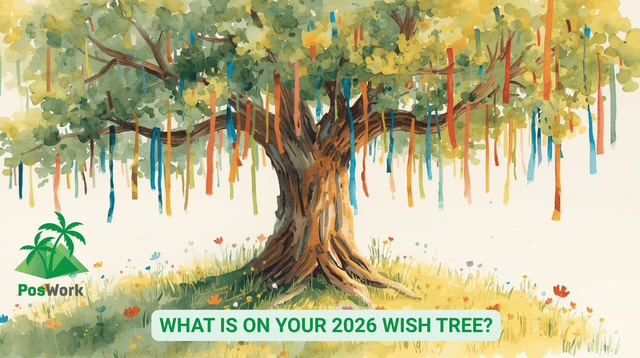
As we launch into the New Year, it is an opportune time to reflect on the year past and the learnings from that and to reimagine the ways that we lead and manage and develop our people and how we can create an inspiring and engaging workplace. To help you in that quest, we are launching a series of "Positive Practices" pieces to give you ideas using different strengths and positive psychology based approaches. We'll start with the Wish Tree.
The challenge
The world has fundamentally changed in the last decade firstly with COVID and now with financial and international insecurities. Added to that is the fact that, for generations, workplaces have been increasingly driven by process control, risk management and shareholder return and changes in technologies and compliance requirements are running at a rapid pace.
People are feeling that pressure and resilience is really being tested.
Now we also have a positive duty to eliminate or reduce psychosocial hazards such as poor change management, inadequate support, lack of role clarity and that means that there is a legislative overlay.
So should we just do the same old risk management process or do we need to find a better way?
Building a culture of hope
The conventional method of addressing psychosocial hazards focuses on what’s wrong: excessive workload, poor leadership, low role clarity, or workplace conflict. While identifying and mitigating these risks is essential, an exclusive focus on problems can inadvertently reinforce a culture of blame or avoidance.
In contrast, a strengths-based approach begins with what’s working well—the inherent capacities, talents, and positive attributes of people and teams. This perspective doesn’t ignore risk; rather, it reframes it. When organisations help employees understand and apply their unique strengths, they build psychological resources such as resilience, optimism, and purpose—powerful buffers against psychosocial harm.
Building Psychosocial Safety Through Strengths
Workplaces that intentionally recognise and develop individual and team strengths create the conditions for psychological safety and wellbeing. Here’s how:
-
Enhancing control and autonomy: When people use their strengths, they experience greater self-efficacy and control over their work—key factors in reducing stress and burnout.
-
Fostering positive relationships: Strengths-based cultures encourage appreciation, collaboration, and respect for diversity of talent, reducing interpersonal conflict and social isolation.
-
Clarifying role purpose: Helping employees align their strengths with organisational goals clarifies expectations and meaning, which reduces role ambiguity—a known psychosocial risk.
-
Encouraging constructive feedback: Strengths conversations shift the focus from criticism to growth, supporting learning without fear of judgement.
Better Outcomes for Employers and Employees
For employers, the benefits are tangible. Research consistently shows that strengths-based organisations report higher engagement, productivity, and retention, along with lower absenteeism and turnover. These outcomes directly reduce the costs associated with psychosocial hazards, such as stress-related leave and workplace disputes.
For employees, the experience is transformational. They feel seen for what they contribute best, leading to a stronger sense of belonging and satisfaction. As workers become more confident and energised, they are better able to cope with challenges, communicate needs, and support one another—further reducing psychosocial risk exposure.
Embedding Strengths into Psychosocial Risk Management
Integrating a strengths-based approach doesn’t mean ignoring compliance obligations under models like Safe Work Australia’s Code of Practice. Rather, it complements them by embedding proactive wellbeing strategies into the fabric of work. This might include:
-
Incorporating strengths assessments (e.g. VIA Character Strengths or CliftonStrengths) into onboarding and development;
-
Training leaders to hold strengths-focused conversations that build trust and motivation;
-
Designing roles and workflows that leverage team strengths to distribute demands more effectively.
Ultimately, managing psychosocial hazards is not just about avoiding harm—it’s about creating thriving workplaces. A strengths-based approach transforms compliance into culture, prevention into empowerment, and obligation into opportunity.
When people work from their strengths, they don’t just survive—they flourish. And when they flourish, so do the organisations around them.
CONCLUSION
We agree with Chat GPT and what this says aligns exactly with our own beliefs and why we created PosWork in the first place.
Note: we don't have a problem with using AI to fast track tasks and make better use of our time but we also believe we should acknowledge that and not claim creative credit when we do use AI.
We are going to be talking about our Strengths-Based Approach to managing psychosocial hazards at work at our upcoming webinar on
Monday 10 November 2025 11:00 AM – Tuesday 11 November 2025 12:00 PM (UTC+11)
| Bookings at https://www.trybooking.com/DGREZ |
CONTACT US
PosWork
A Division of Ridgeline Human Resources Pty Ltd
ABN : 24 091 644 094
info@poswork.com.au
0438 533 311
QUICK RESOURCE LINKS